How to use this list
No single sign proves a foundation has failed. Several together are a strong signal. Read through the list, check your home against it and, if you recognize more than one, schedule an inspection. Early action nearly always means a smaller repair.
The ten signs
1. Cracks in walls and ceilings
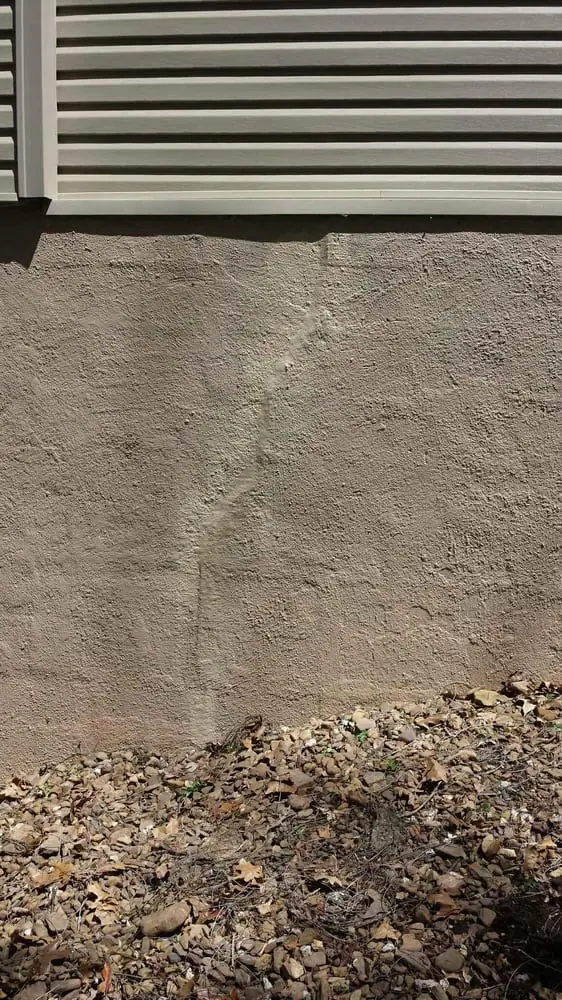
Large, widening or horizontal cracks, especially around windows and doors, point to a serious foundation issue. Small hairline cracks are common, but cracks that grow or return after patching are not.
2. Doors and windows that stick
Doors and windows that no longer align, or that stick when you open and close them, often show that the frame has shifted because the foundation moved.
3. Uneven floors
Floors that slope or feel uneven are among the clearest signs of settlement, and they deserve prompt attention. Bouncy floors can point to damaged supports below.
4. Cracks in brick and bathroom tile
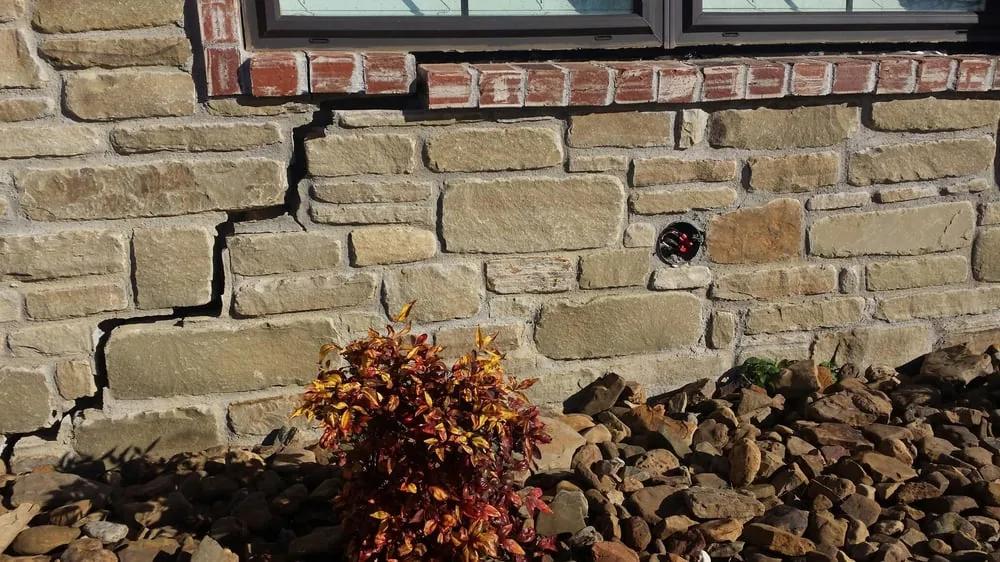
Cracked bricks and tile are signs that the structure underneath is moving. A stair step crack along the mortar lines of a brick wall is a classic example. Add tile cracks to your foundation inspection checklist.
5. Musty smells
Persistent musty odors suggest mold growth, which hints at water seeping in through foundation cracks or leaks.
6. Uneven soil and erosion around the property
Soil that has dropped, washed out or pulled away from the house shows that something is moving. Erosion around the foundation takes away support and invites water.
7. Gaps in the floor and walls
Gaps where floors meet walls, or where walls meet ceilings, suggest cracks in the structure. Neglecting them can lead to plumbing issues and damaged insulation.
8. Basement wall cracks
Basement wall cracks are an early warning that the foundation is shifting, and they tend to worsen with time. Horizontal cracks and bowing deserve the fastest response. See our basement repair page.
9. Uneven walls and separating cabinets
When cabinets and countertops pull away from walls, the walls themselves may be shifting as the house settles. Look for a visible gap behind the backsplash or along the cabinet line.
10. Burst or leaking pipes
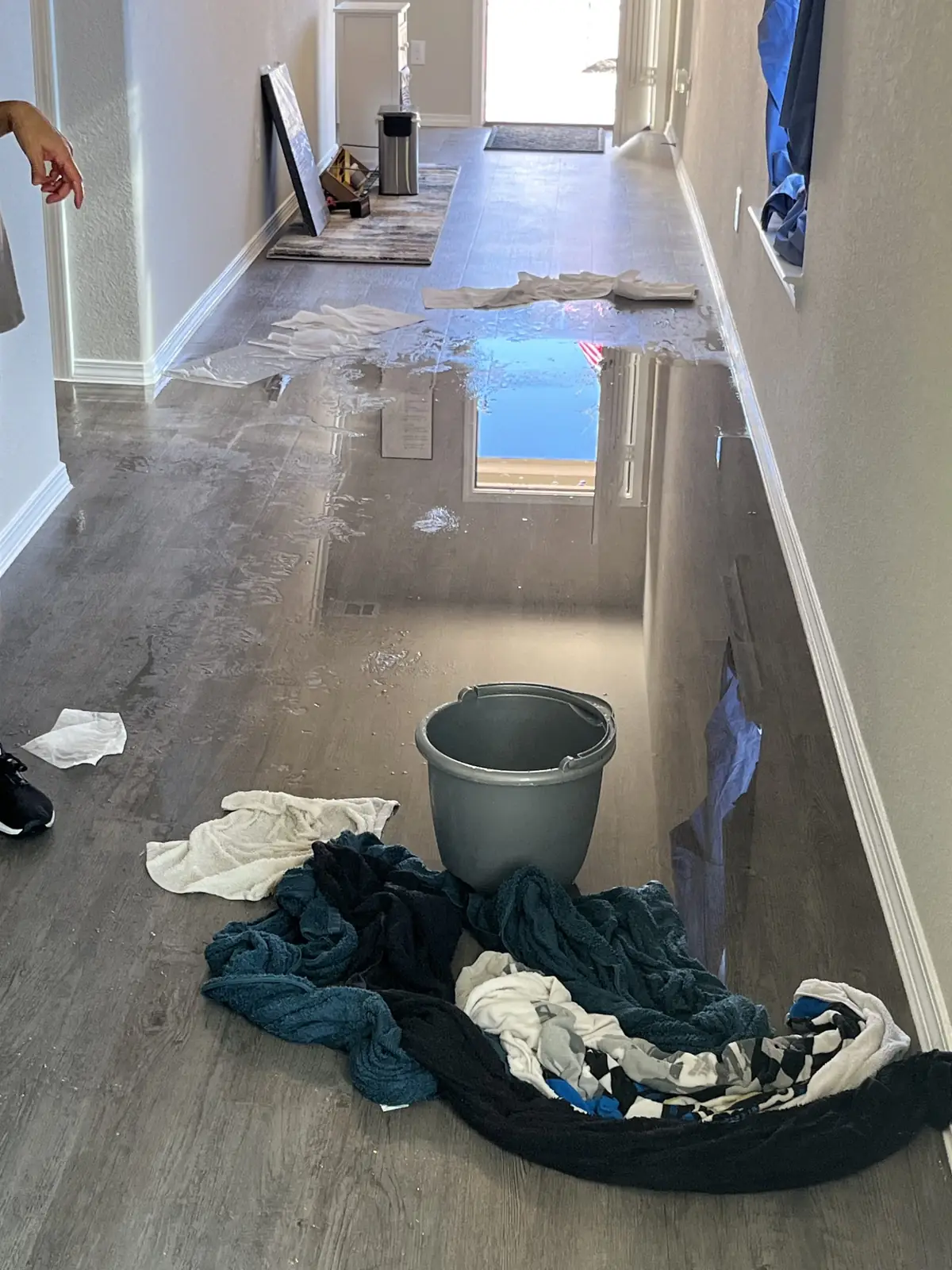
Moving foundations put extra pressure on plumbing. A pipe that breaks with no clear cause may be a sign that the structure is shifting under it.
What to do next
- Take photos with a ruler next to each crack, and date them.
- Check obvious water sources such as gutters, downspouts and grading.
- Do not patch and paint over cracks until you know the cause.
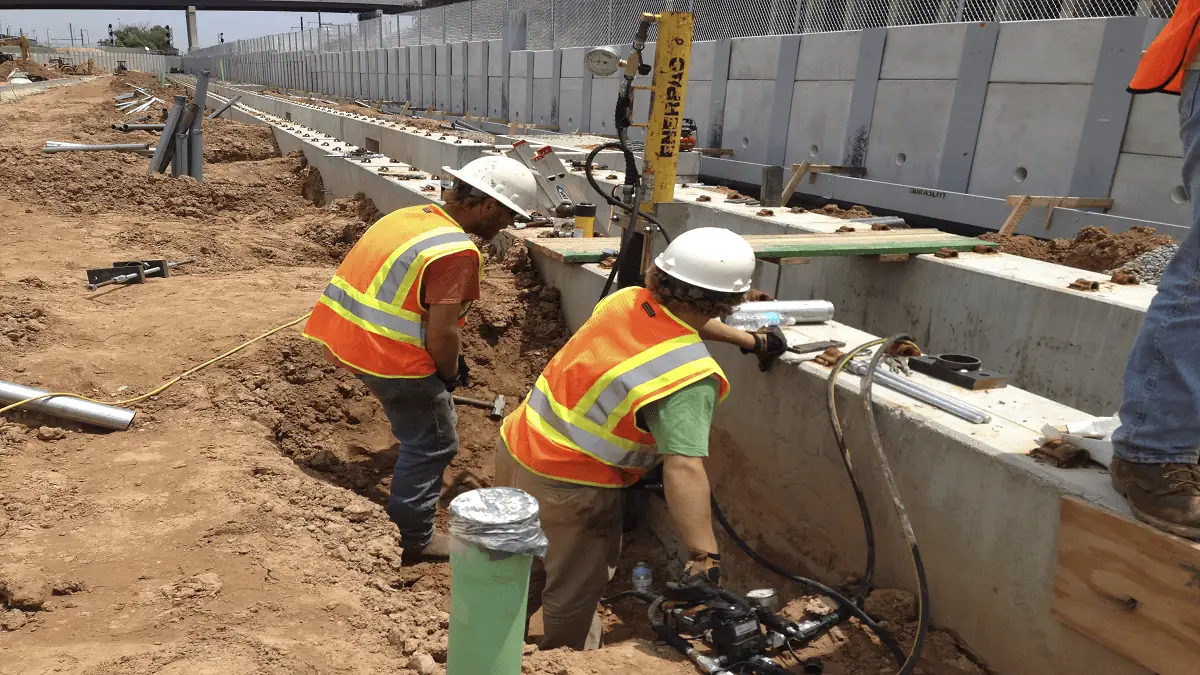
- Call a foundation specialist for an inspection and a clear explanation.
Foundation problems can cause serious issues if left unaddressed. From cracked walls and sinking floors to pulled away trim and leaking pipes, each sign tells part of the story.
Why several signs together matter most
One sticking door can be the weather. One hairline crack can be shrinkage. But a sticking door, a crack above a window and a floor that slopes slightly, all in the same part of the house, tell a story together. Look at where your signs are located. If they cluster near one corner or one wall, that area of the foundation is the most likely place for movement, and it is the right place to start an inspection.
Take your time, document what you see and bring your notes and photos to the inspection. The more information you have, the faster a specialist can find the cause.
Our team repairs foundations for homes and businesses across Northwest Arkansas. Read our guide to the signs of foundation problems, see foundation repair in Fayetteville or call (479) 225-4899 to schedule a free inspection.
Talk to a specialist about your property
Every property is different. We will look at yours and give you a free estimate.