
Waterproofing and gutters
Waterproofing and gutters planned as one drainage system
Roof water, surface water and groundwater all end up at your foundation. Treating them as a single system is how you keep the structure dry for the long haul.

Why gutters and waterproofing belong together
Many properties have one but not the other. A home might have a freshly sealed basement and gutters that dump a downpour beside the wall, or perfect gutters and a crawl space that still breathes damp air. Either way, water finds the gap.
Waterproofing resists water that reaches the structure. Gutters and downspouts keep most of that water from arriving at all. When they are planned together, each one takes pressure off the other, and the whole system works with less strain.
Follow the water, from roof to footing
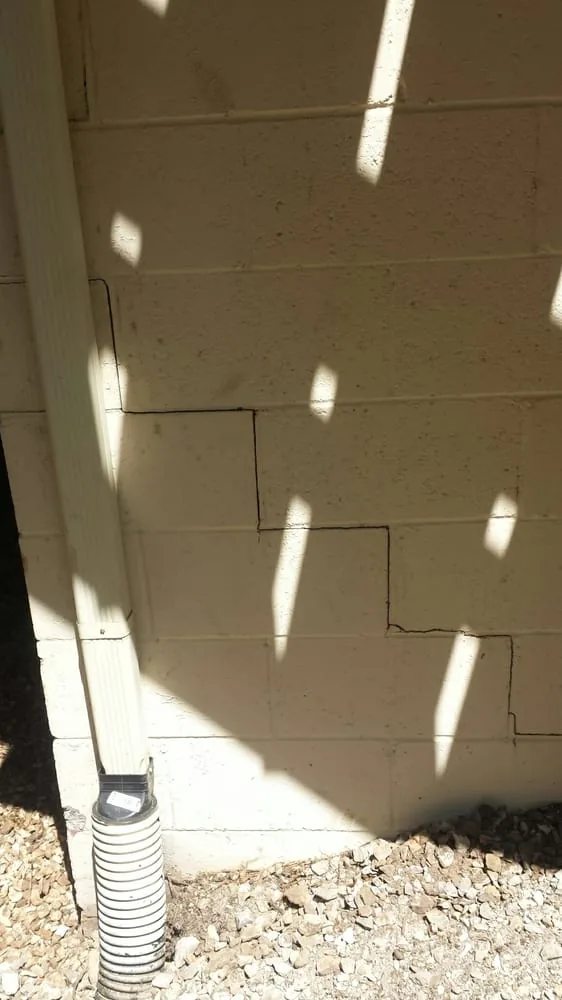
- 1
The roof
Every storm sends a large volume of water off the roof edge. The size and shape of the roof decide how much water the system has to handle.
- 2
Seamless gutters
Gutters catch that water and move it along a slight slope. Seamless runs have no joints along the way, so the water stays in the channel instead of dripping onto the soil below.
- 3
Downspouts and extensions
Downspouts carry water to the ground, and extensions carry it well away from the walls. A downspout that ends beside the foundation defeats the whole system.
- 4
The ground around the house
Soil should slope away from the foundation. Low spots and flat ground next to the walls hold water where you do not want it.
- 5
The foundation and its barrier
Whatever water still reaches the structure meets the waterproofing layer, which seals walls, floors and crawl spaces against moisture.
Where drainage usually fails
Clogged gutters
Leaves and debris cause overflow, and overflow lands right next to the wall.
Short downspouts
Water released at the foundation soaks the soil that supports the footing.
Sagging runs
Gutters that pool instead of drain rust, leak and pull away from the fascia.
Flat or sunken ground
Soil that slopes toward the house sends surface water to the wall.
Failed barriers
Old or cracked coatings let moisture through even when drainage is fine.
Unprotected crawl spaces
Open soil releases moisture upward into the framing.
What a combined plan looks like
We begin by looking at the whole path. We check the roof edge, the gutters, the downspouts and the grade, then inspect the foundation, basement or crawl space for signs of moisture. The goal is to find the weakest point in the chain, which is often not the one that is showing symptoms.
From there, we recommend a plan that may include seamless gutter installation or repair, guards that keep debris out, downspout routing and extensions, and waterproofing where the structure needs it. You see the plan and the price in writing, and you choose how much to do and in what order.
The pieces we can put in place
Gutter side
- Seamless gutter installation
- Gutter guards and covers
- Leak and sag repair
- Downspout replacement and routing
- Cleaning and maintenance
Waterproofing side
- Basement wall and floor sealing
- Crawl space encapsulation
- Concrete surface waterproofing
- Roof and wall coatings
- Crack sealing and injection
Learn more about each side on our gutters page and our water proofing page.
Signs your drainage system needs a closer look
Look for stains or mineral lines on exterior walls, soil that has washed away beside the foundation, standing water after rain and a musty smell inside. Inside the house, damp basement walls, peeling paint and soft or stained floors are common signs.
If you see those signs near cracks or sticking doors, the water may already be affecting the structure. A short visit can sort out which problem is which, and our foundation repair team can review the structure at the same time. For more background, read how gutters protect your foundation.
Ready for a plan? Request a free estimate.
A yearly maintenance plan for a dry foundation
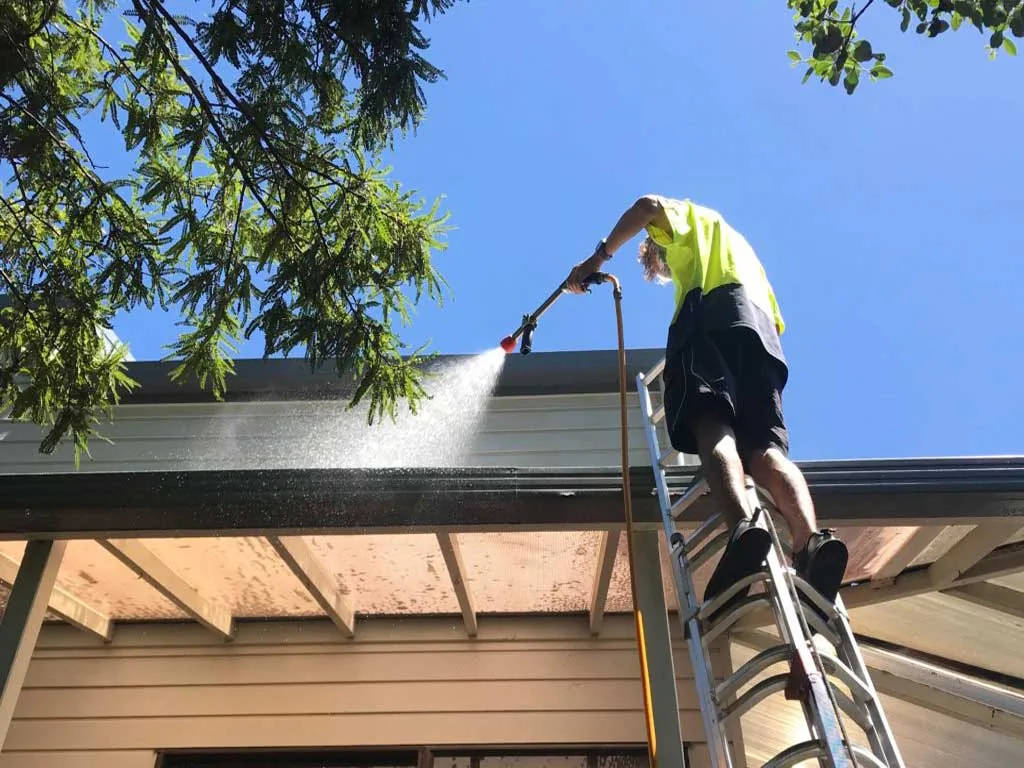
A good drainage system is not a set it and forget it feature. It works best when someone looks at it a few times a year. The routine is simple, and each step takes minutes. In spring, clear winter debris, flush the downspouts with a hose and look for loose hangers or leaks. Check that the soil still slopes away from the house and that no new low spots have formed.
In summer, trim branches that overhang the roof and look at the places where water leaves the downspouts. Check the crawl space or basement for humidity and run a dehumidifier if needed. Late in fall, after most leaves have dropped, clear the gutters again and confirm that water flows freely to each outlet.
In winter, watch for ice that blocks downspouts or causes overflow, and look for damp spots after thaws. After every major storm, take a few minutes to walk the outside of the house and look for pooling water or washed out soil. Taking notes and photographs from year to year gives you a clear picture of how your system is performing.
If you see a problem you cannot fix yourself, call us. Many drainage issues are quick to repair when they are small, and they are far more expensive once water has been working on the foundation for a season or two.
Owners sometimes ask where to begin when they suspect both a gutter problem and a moisture problem. Start outside. Watch the roof edge and the downspouts during a heavy rain, and note where water goes. Then look inside, at the lowest level, for damp spots, stains or odors. Bring your notes to us, and we will help you decide which steps come first, so you spend money where it matters most.
A final point about budgets. You do not have to do everything at once. Many owners start with the least expensive and most effective steps, such as repairing gutters, extending downspouts and correcting soil slope, then add waterproofing where it is still needed. We help you set the order and the pace, so each dollar you spend moves you closer to a dry foundation without wasting money on work you do not yet need.
Your yearly checklist
- Spring: clear debris, flush downspouts and check hangers.
- Summer: trim overhanging branches and check crawl space humidity.
- Fall: clear leaves after they drop and confirm outlets are clear.
- Winter: watch for ice, overflow and damp spots after thaws.
- After storms: walk the property and look for pooling or erosion.
- Every year: review photographs and note any changes.
Why we only install seamless gutters
A sectional gutter is joined every few feet, and every joint is a place that can leak onto the soil beside your foundation. A seamless gutter is one continuous piece per run, formed on site, so water stays in the channel until the downspout carries it away.
Sectional gutter
Joined every few feet. Each joint is a future leak, and that water lands right beside your foundation.
Seamless gutter, what we install
One continuous piece per run, formed on site. Water stays in the channel and leaves through the downspout, well away from your walls.
FAQ
Questions homeowners ask
Do I need both waterproofing and gutters?
Often yes. Gutters keep most water from reaching the foundation, and waterproofing protects against the water that still arrives. Doing both is the most reliable way to stay dry.
How long should downspouts extend from the house?
They should carry water well away from the walls so it cannot soak into the soil beside the footing. We size the extension to your lot and slope.
Can bad gutters cause foundation damage?
Yes. Overflowing water saturates the soil next to the foundation, which can cause seepage, cracking and settlement over time.
What is the first step to fix a wet basement?
Check the gutters, downspouts and grade first. Then have the walls and floor inspected, because the fix often combines drainage and waterproofing.
Do you give free estimates for drainage work?
Yes. Call (479) 225-4899 or send the form, and we will review the drainage and the foundation and give you a free estimate.
Plan your drainage system
Tell us what you are seeing. We will look at it, explain the options in plain terms and give you a free estimate.
- No subcontractors
- NICET certified inspections
- No commissioned salespeople
- Inspectors with 20+ years