
Interior drywall and plaster
Cracks above doors and windows, along ceiling lines and at corners are the most common. Many are minor, but cracks that return after repair, or that grow, usually trace back to movement in the structure.
Wall repair
A cracked wall is a message from the structure. We read it, find the cause and repair the wall so the crack does not simply come back after the next coat of paint.
Many people think of wall repair as patching and painting. For a wall that is tied into the structure, that is only the last step. A wall can crack because the foundation under it settled, because soil is pushing on it, because water got into the material or because the wall was never built to carry what it carries now.
Our company repairs foundations, so we are used to starting at the base and working up. That means we can tell you whether the wall itself is the problem or whether it is only showing symptoms of something below. Every job begins with a careful inspection of the wall and the structure that supports it.
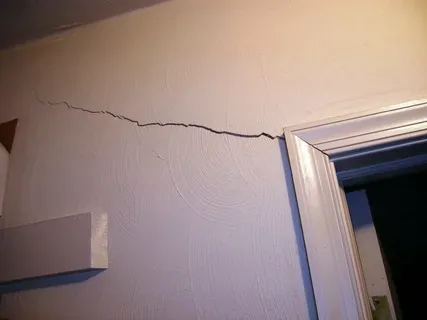
Cracks above doors and windows, along ceiling lines and at corners are the most common. Many are minor, but cracks that return after repair, or that grow, usually trace back to movement in the structure.
Stair step cracks following the mortar joints suggest settlement or movement. These walls often need stabilization as well as crack repair, because mortar alone will not hold a wall that is still moving.
Vertical shrinkage cracks are often simple to seal. Horizontal cracks and bowing point to soil pressure, and they need reinforcement. Our basement repair page covers these walls in more detail.
Walls that hold back soil take constant pressure. Leaning, cracking and drainage trouble are common, and the fix usually involves both the wall and the water behind it.
If the foundation is moving or water is the issue, we address it first. Repairing the wall before the cause is fixed wastes your money.
Epoxy bonds and restores structural cracks. Flexible polyurethane seals cracks that need to keep water out.
Strong, thin carbon fiber straps hold a wall in place and resist inward movement without taking up room.
Where a wall has moved, we use anchors, tiebacks or supports below to stop the movement. This can include foundation repair at the base.
Once the structure is sound, we repair the surface so the wall is ready for finishing.
Water weakens walls from the inside. Peeling paint, bubbling plaster, white mineral deposits and soft or crumbling material all show that moisture has been at work. Fixing the finish without stopping the moisture means the damage returns.
We trace the moisture to its source, which is often a gutter, a downspout, a grading problem or a cracked foundation wall. Then we repair what water has damaged and seal the wall against more. See our water proofing services and gutters page for the supporting work.
You do not need to wait for a wall to fail. An inspection is free, and it often tells you the crack is harmless. When it is not, you will know early, which keeps the repair smaller. For a list of what to look for around the house, read our guide to the signs of foundation problems.
Wall repair begins with a careful look at the wall and the structure behind it. We measure cracks, check for movement and look for water. We explain what we found and give you a written estimate before any work begins. Once you approve it, the crew protects your floors and furniture, completes the repair and cleans the work area.
The steps depend on the wall. A crack that needs injection takes less time than a wall that needs reinforcement or partial rebuilding. When the structure is sound, we repair the surface so the wall is ready for finishing. Painting and decorative work are usually handled by a painter you choose, which keeps you in control of the final look.
Afterward, we explain how to watch the repaired area. A small measuring mark or a dated photograph next to a repaired crack helps you confirm that it stays stable, and it gives us useful information if you ever call with a question.
Cost depends on the type of wall, the length and width of the damage and the method needed. Crack injection and sealing are modest in scope, while reinforcement, stabilization and partial rebuilding cost more. We give you a written estimate after inspecting the wall and its supporting structure, and we explain each part of it so you can see what you are paying for.
If you are preparing to sell, a documented wall repair can reassure buyers. Keep your estimate, photographs and any notes about the cause and the fix, and share them with your agent. A clear record shows that the problem was understood and solved, not just covered up.
Remember that a repaired wall is a record as well as a fix. Keep your photographs, the estimate, notes about the cause and any measurements we gave you. If a crack ever reappears, those records help us understand whether the wall has moved again and what changed. They also help you show future owners, lenders or insurers that the wall received proper attention.
FAQ
For a small, stable shrinkage crack that is fine. If a crack keeps returning, grows or comes with sticking doors, the cause is probably structural and should be inspected first.
A stair step crack follows the mortar joints in brick or block in a diagonal pattern. It usually points to settlement or movement in the foundation under that wall.
We reinforce it with carbon fiber straps or anchors and reduce the pressure from soil and water, so the wall stops moving.
Yes. We repair interior walls, exterior walls, basement walls and walls that hold back soil, for both homes and businesses.
Call (479) 225-4899 or send the form. We will inspect the wall and the structure behind it, then give you a free estimate.
Tell us what you are seeing. We will look at it, explain the options in plain terms and give you a free estimate.