Concrete leveling

Concrete leveling that lifts sunken slabs without replacing them

A sunken driveway, a tilted walkway or a patio that drains toward the house is more than an eyesore. We raise it back to grade and fill the voids that caused the problem.

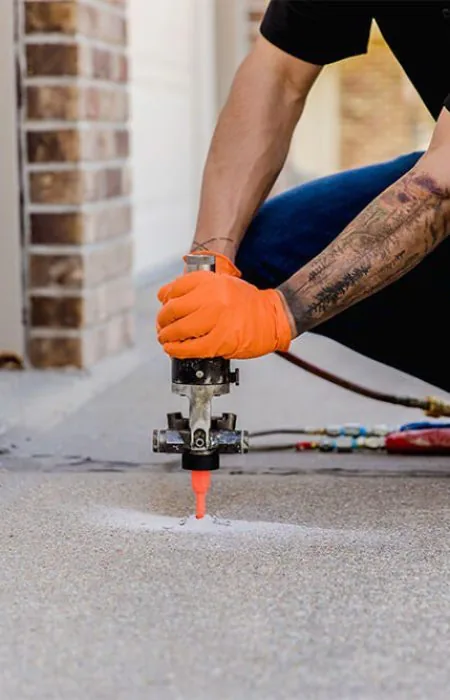
Worker in orange gloves injecting foam into a drilled hole to lift a concrete slab

Why concrete sinks in the first place

Concrete rarely fails by itself. It sinks because the ground beneath it changed. Rain washes soil out from under a slab, wet clay compresses, a poorly compacted base settles and a leaking gutter or downspout quietly erodes the support underneath. The slab keeps its shape and simply loses what was holding it up.

Replacing the slab without fixing the cause only starts the clock again. Our approach is to find out why the concrete moved, fill the empty space beneath it and bring the surface back to level, so the repair addresses both the symptom and the cause.

What we level

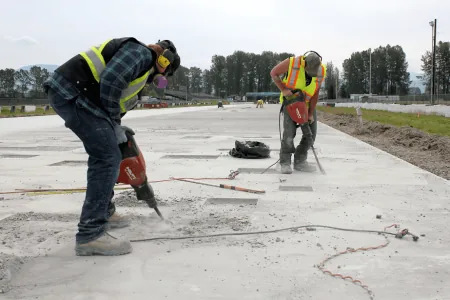
  • Two workers cutting into a concrete driveway with hand tools

    Driveways

    Sunken or sloped sections that collect water and catch tires and bumpers.

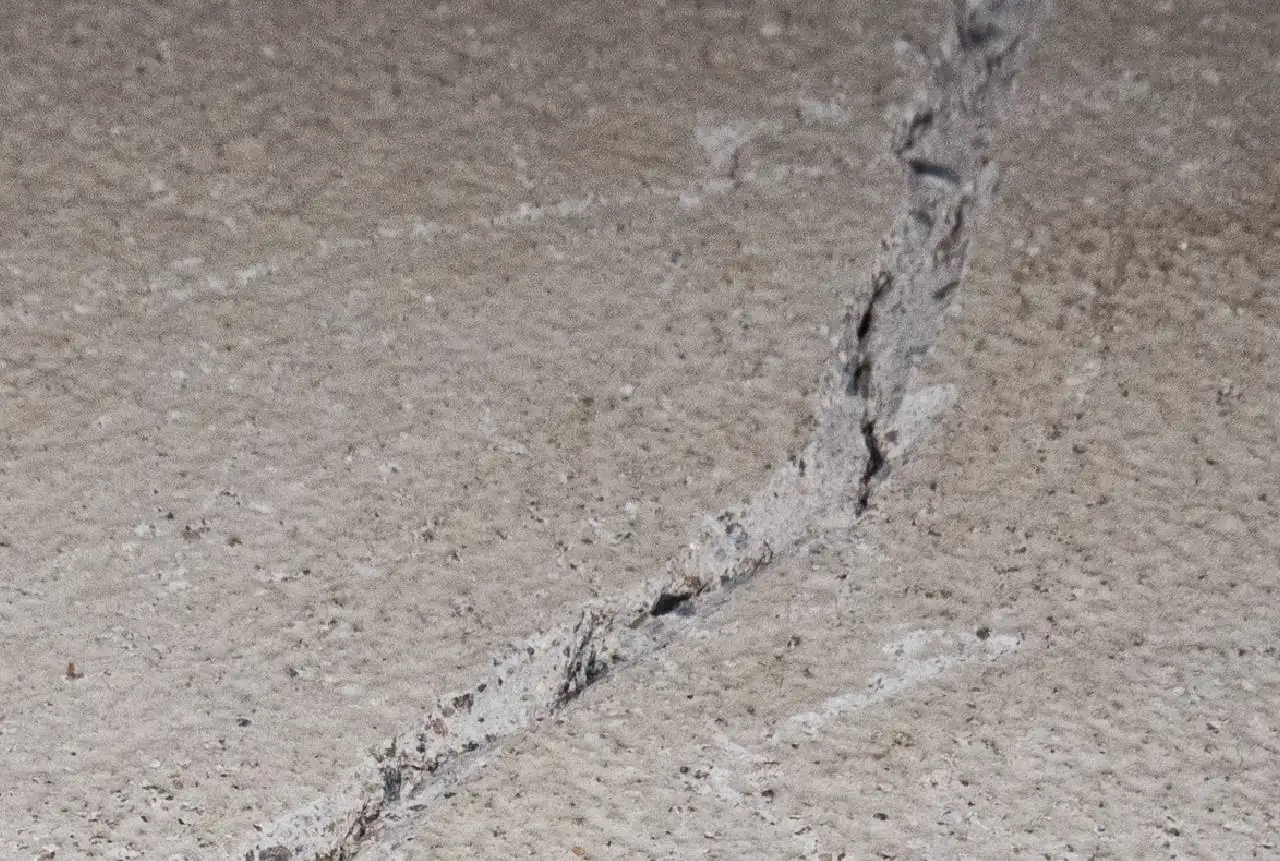
  • Fine crack running across a gray concrete surface

    Sidewalks and walkways

    Uneven joints that create trip hazards for family and visitors.

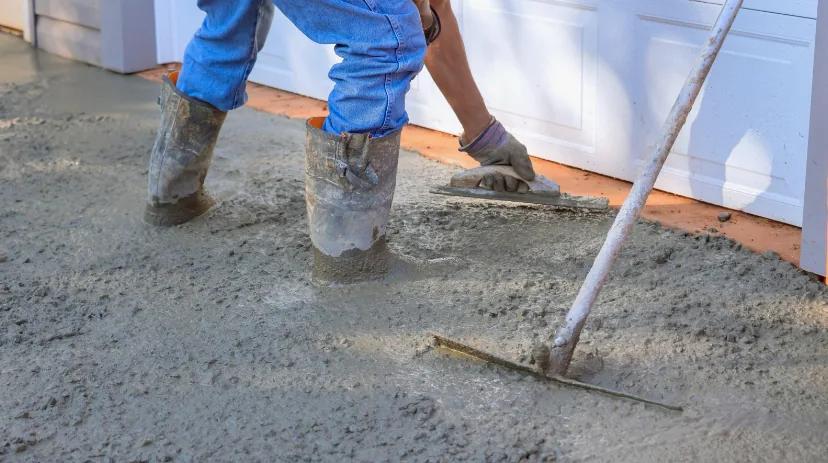
  • Worker raking fresh concrete over a freshly poured slab

    Patios and porches

    Slabs that tilt toward the house and send water against the foundation.

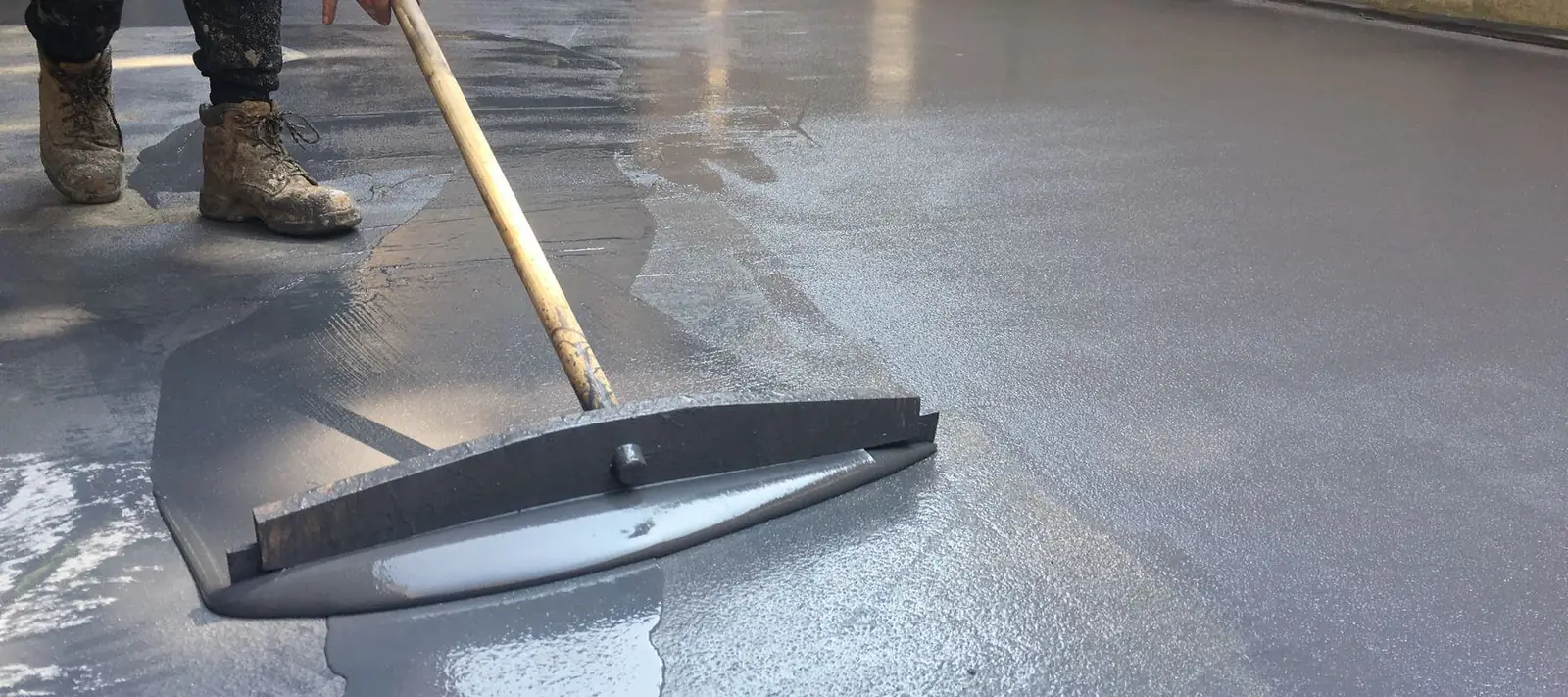
  • Long screed tool smoothing a wet concrete slab

    Garage and shop floors

    Floors that have dropped away from walls, or that no longer drain correctly.

Two proven ways to raise concrete

Both methods work by filling the void under the slab and pushing it upward in small, controlled steps. They differ in the material that goes under the concrete.

Polyurethane foam injection

We drill small holes through the slab and inject a high density foam that expands, fills voids and lifts the concrete. The material is light, waterproof and does not wash out, so it adds support without adding heavy weight to weak soil. The holes are small and the surface can often be used soon after the work.

Mud jacking

A cement based slurry is pumped under the slab through holes in the surface. As the slurry spreads, it lifts the concrete and fills the empty space. It is a long established method and suits some large, heavy slabs, though the material is heavier than foam.

We recommend the method that suits your slab, your soil and your budget, and we explain the reasons before we start.

What to expect on the day

  1. 1

    Inspect and measure

    We check how far the slab has dropped, find the voids and look for the cause, such as a downspout or poor grading.

  2. 2

    Drill access holes

    Small holes are placed across the slab in a pattern that lets us lift evenly instead of in one spot.

  3. 3

    Inject and lift

    The material goes in gradually while we watch the slab rise, stopping when it reaches the correct level.

  4. 4

    Seal and clean

    We fill the holes, clean the surface and show you the finished result.

Leveling or replacement

Leveling makes sense when the slab is mostly sound and has simply dropped or tilted. It is usually less disruptive than tearing out and repouring, and it avoids long drying times and heavy equipment on your lawn.

Replacement may be the better answer when concrete is crushed, badly broken or deeply scaled. We will tell you honestly which option fits, even when it is not the larger job. If the sinking is happening next to the house, it can be a sign of a foundation problem, and our foundation repair team can check the structure at the same visit.

Safety, drainage and long term value

Raised edges on a walkway are a real trip hazard, and a patio that tilts toward the house sends water straight at your foundation. Leveling fixes both problems. Restoring the right slope helps water run away from the building instead of into the soil beside it.

Pair leveling with sound drainage and your concrete stays where we put it. If downspouts dump water near a slab, our gutter services can send that water somewhere harmless. For a closer look at costs, our concrete leveling guide for property owners walks through what to expect.

Preparing for leveling and caring for concrete afterward

A little preparation helps the work go quickly. Clear vehicles, furniture and planters from the slab, and let the crew know where sprinkler lines, buried utilities or lights run beneath the surface. If your slab drains toward the house, mention it, because the goal is not only to make the concrete level but to give it the right slope.

After the work, treat the slab gently for the short period the crew recommends. Then keep water moving away from it. Extended downspouts, clean gutters and a yard that slopes away from the slab protect your investment. Look at the surface a few times a year, especially after heavy rain, and call us if you notice a new gap or a settling edge.

If you manage a commercial property, tell us about traffic patterns and business hours. Parking areas, loading zones and entrances can often be leveled in sections so most of the property stays in use.

Winter and early spring deserve a note. Freeze and thaw cycles can lift and drop slabs, and meltwater can wash fine soil out from beneath them. If you notice a new gap or a step in a walkway after a cold snap, call us before the next wet spell, because a small void is far easier to fill than a large one. For commercial properties, we can often level entrances and parking areas in sections, so customers and deliveries keep moving.

Cost deserves a plain conversation as well. Leveling is usually a fraction of the cost and time of tearing out and replacing a slab, and it avoids heavy equipment on your lawn and long waits for new concrete to cure. We give you a written estimate after we measure the slab, and we tell you plainly if a section is too damaged to lift and should be replaced instead.

Questions worth asking any leveling contractor

  • What caused this slab to sink, and how will you address it?
  • Which method do you recommend for my slab and soil, and why?
  • How many injection points do you expect to use?
  • How soon can the surface be used again?
  • What will you do about drainage near the slab?
  • What happens if the slab settles again?

FAQ

Questions homeowners ask

How do I know if my concrete can be leveled?

If the slab is mostly intact and has dropped, tilted or separated from nearby concrete, leveling usually works. We inspect it first and tell you honestly if replacement is the better choice.

What is the difference between foam and mud jacking?

Both fill voids and lift the slab. Foam is lightweight, waterproof and uses smaller holes. Mud jacking uses a heavier cement slurry. We help you choose based on the slab and soil.

Will leveling fix the cause of the sinking?

Filling the void restores support, and we also look for causes such as downspouts and poor drainage. Fixing those is part of making the repair last.

Can you level concrete at commercial properties?

Yes. We level concrete at both residential and commercial properties, including parking areas, walkways and floors.

How do I get an estimate?

Call (479) 225-4899 or send the form. We will look at your concrete, measure the problem and give you a free estimate.

Get your concrete back to level

Tell us what you are seeing. We will look at it, explain the options in plain terms and give you a free estimate.

  • No subcontractors
  • NICET certified inspections
  • No commissioned salespeople
  • Inspectors with 20+ years
Call NowFree Estimate