
Interior waterproofing
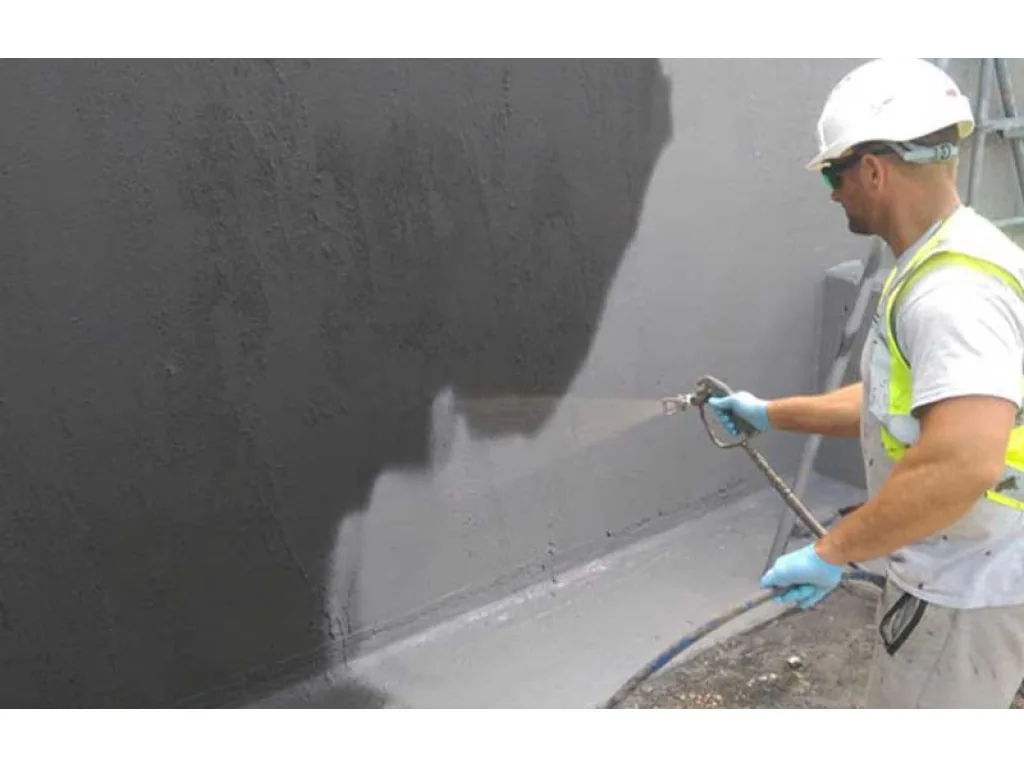
Seals cracks and wall surfaces, treats moisture coming through block and concrete, and gives any water that does enter a controlled path out. It is faster, less disruptive and works well when exterior access is limited.
Water proofing
Moisture does quiet, expensive damage. We find where water is getting in, block it with proven materials and fix the drainage that sent it there.
Look at nearly any damaged foundation and you will find water involved. Wet soil pushes on basement walls. Saturated clay swells under a slab. A damp crawl space slowly rots the wood above it. Even a small leak, left alone, feeds mold and weakens the materials around it.
Waterproofing is not one product. It is a plan that stops water at the surface, gives it somewhere safe to go and protects the materials that cannot afford to stay wet. We start with a careful inspection of your basement, foundation walls and any other area at risk, then build the plan around what we actually find.
Interior work manages water that has already reached the wall or floor, using coatings, sealants and drainage. Exterior work stops water before it touches the foundation, and it is usually the stronger fix when the ground can be opened up. Many properties do best with a combination, and we recommend whichever approach fits your situation and budget.
Seals cracks and wall surfaces, treats moisture coming through block and concrete, and gives any water that does enter a controlled path out. It is faster, less disruptive and works well when exterior access is limited.
Excavates the soil beside the foundation, repairs and coats the wall, and improves drainage so water never reaches it. It takes more work up front and addresses the problem at its source.
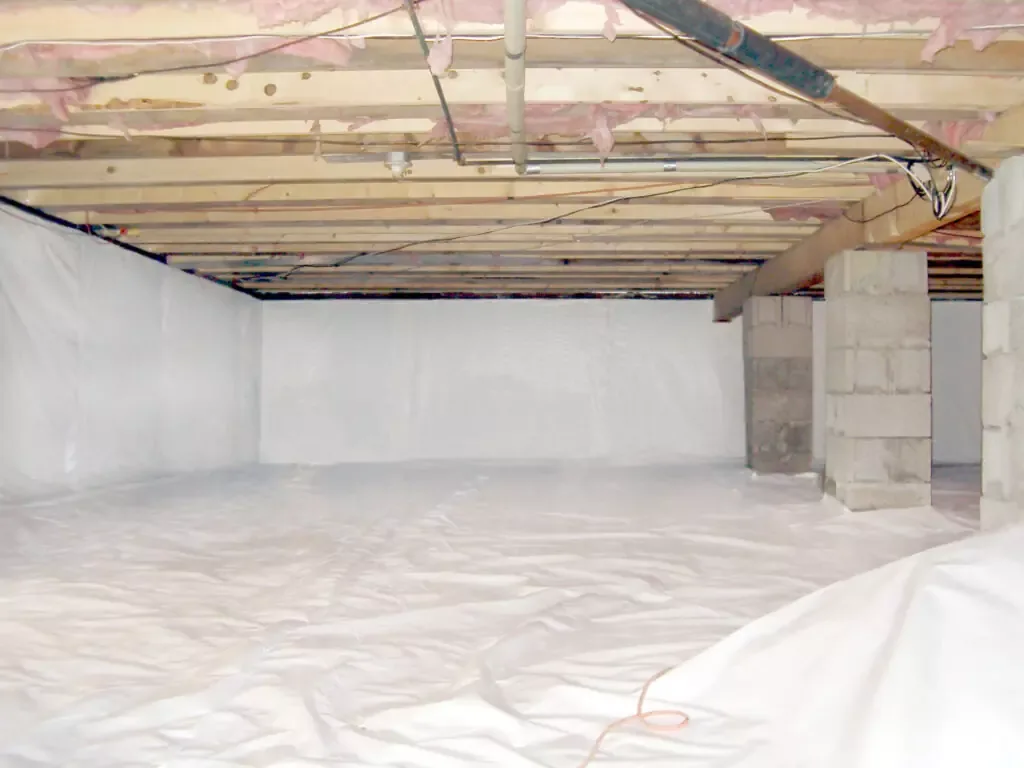
Crawl spaces are the most overlooked part of a house, and moisture there causes real harm. Trapped humidity rots beams and joists, invites mold and pests and can push damp air into the living space above.
We cover the full crawl space with heavy duty thermoplastic sheeting, add a vapor barrier to limit moisture build up and install a high performance dehumidifier so the space stays dry. The sheeting is treated with hydrophobic agents that repel water, and we buy our encapsulation materials from trusted suppliers so the barrier lasts. The result is a crawl space that stays accessible, clean and safe for the structure above it.
A basement sits against the ground, so it is the first place water shows up. We seal wall cracks, treat the surfaces of walls and floors with moisture resistant, hydrophobic materials and correct the drainage that sends water toward the foundation.
Basement waterproofing and foundation repair often go together. A bowed or cracked wall lets water in, and water pressure widens the cracks. Fixing only one of the two leaves the other to undo the work. If your basement also has structural cracks, our basement repair page explains how we handle both.
Water protection does not end at the foundation. We also waterproof walls, siding and flat roofs, and we treat concrete surfaces such as driveways, walkways and patios. Waterproof roof coatings repel water and reinforce the layer underneath, and PVC membrane coatings applied with care give long lasting protection on residential and commercial roofs.
Good gutters complete the system. Roof water that falls beside your foundation defeats the best waterproofing, so we pair waterproofing with gutter installation and repair and with the waterproofing and gutters approach when drainage is part of the problem.
We walk the interior and exterior, check the walls, floors and crawl space and look at how the ground and gutters handle rain.
Water leaves clues. We trace stains, cracks and damp spots back to the entry point instead of treating symptoms.
You receive a written plan that explains what we found, what we recommend and what it costs, before work begins.
Our crew completes the sealing, coating, drainage or encapsulation, then cleans up the work area.
We go over the finished work with you and explain how to keep the area dry in the future.
Want the background first? Read our waterproofing guide for homeowners and our post on how much foundation waterproofing costs.
If you are comparing companies, see hiring a waterproofing contractor.
Waterproofing decisions come down to three questions. Where is the water coming from, how often does it arrive and how much damage has it already done? A property with one damp corner after rare storms needs a different plan than one with standing water every spring.
Start with the least invasive steps that address the cause. Clear gutters, extend downspouts and improve the slope of the soil. If water still reaches the building, then move to sealing, drainage and, where necessary, exterior waterproofing. A careful inspection tells you how far along that path you need to go, and an honest contractor will not push you past that point.
Finally, think about timing. Waterproofing is easiest before the wet season starts, when walls are dry and crews can work freely, but it is never too late to start. If water is entering now, tell us, and we will talk about steps that can limit damage until the full repair is done.
FAQ
Musty odors, white powder on walls, peeling paint, damp floors and visible mold are the usual signs. A short inspection can confirm where the moisture comes from and how serious it is.
Exterior work stops water before it reaches the wall and is often the stronger fix, but it needs excavation. Interior systems are faster and less disruptive. We recommend the approach that fits your property.
Moisture in a crawl space rots framing, feeds mold and invites pests. Encapsulation with sheeting, a vapor barrier and a dehumidifier keeps the space dry and protects the structure above.
Yes. We treat concrete surfaces such as driveways, walkways and patios with durable waterproofing materials, in addition to basements, crawl spaces, walls and roofs.
Yes. Call (479) 225-4899 or send the form, and we will inspect the property and give you a clear, written estimate.
Tell us what you are seeing. We will look at it, explain the options in plain terms and give you a free estimate.