Signs you need foundation repair
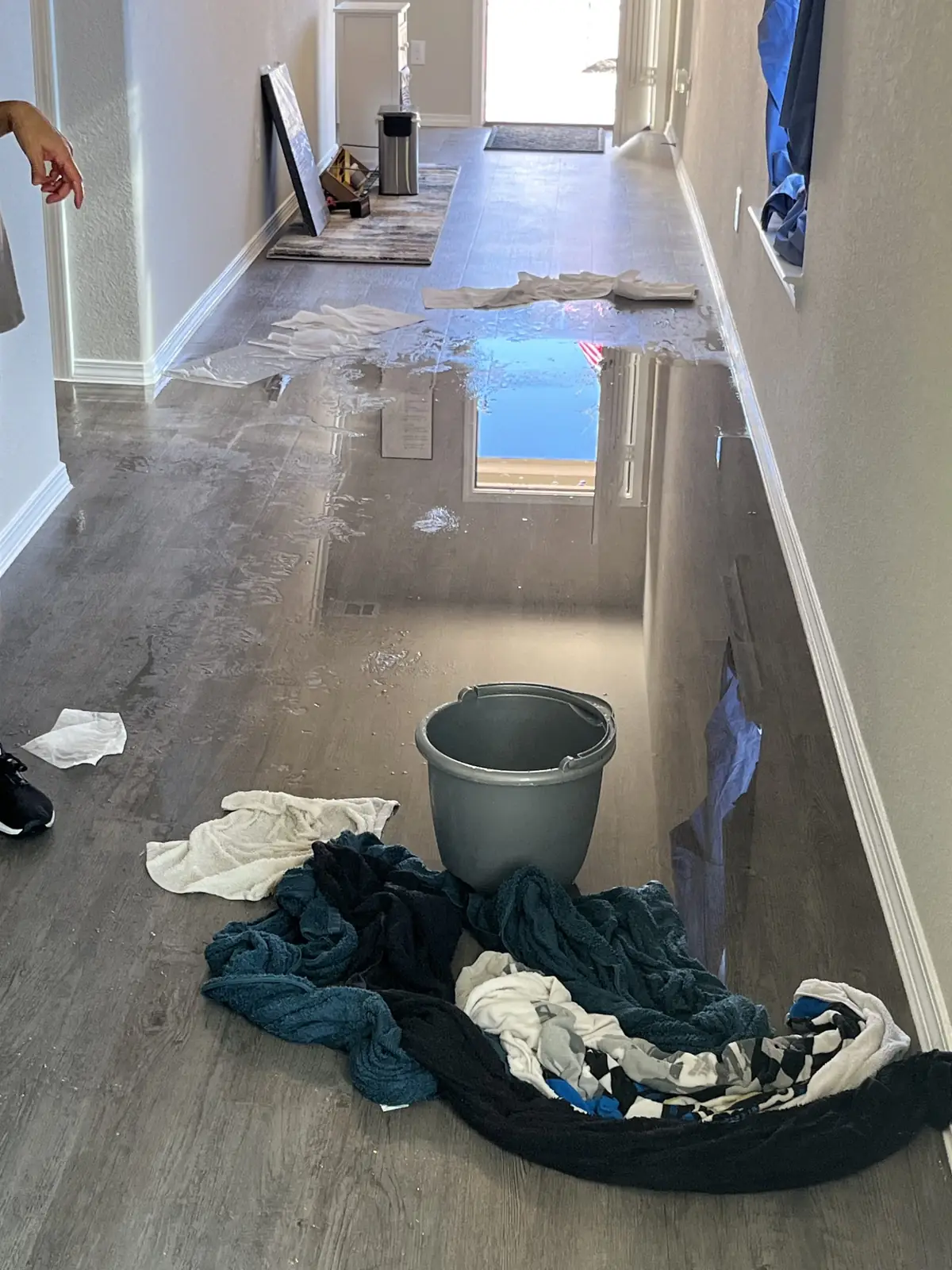
Spotting trouble early is the most important step. Common signs include cracks in foundation walls and drywall, doors and windows that stick, floors that slope or bounce, gaps around trim and exterior walls, sunken concrete outside and water or damp smells in the basement or crawl space.
If you notice any of these, contact a professional foundation repair company. Early action prevents further damage and usually saves money in the long run. Our guide to the signs of foundation problems explains each in detail.
What causes foundation problems
- Soil movement. Clay swells with moisture and shrinks as it dries, shifting the ground below the structure.
- Water. Poor drainage, leaking pipes and overflowing gutters soften soil and push on walls.
- Erosion. Water washes soil out from beneath footings and slabs.
- Tree roots. Large roots pull moisture from the soil and can disturb the ground near the house.
- Poor construction. Weak footings, thin steel or poor compaction can fail years later.
- Age and wear. Even sound foundations show their years eventually.
Knowing the cause matters. It lets a contractor recommend the right repair method and the right drainage fix, so the result lasts.
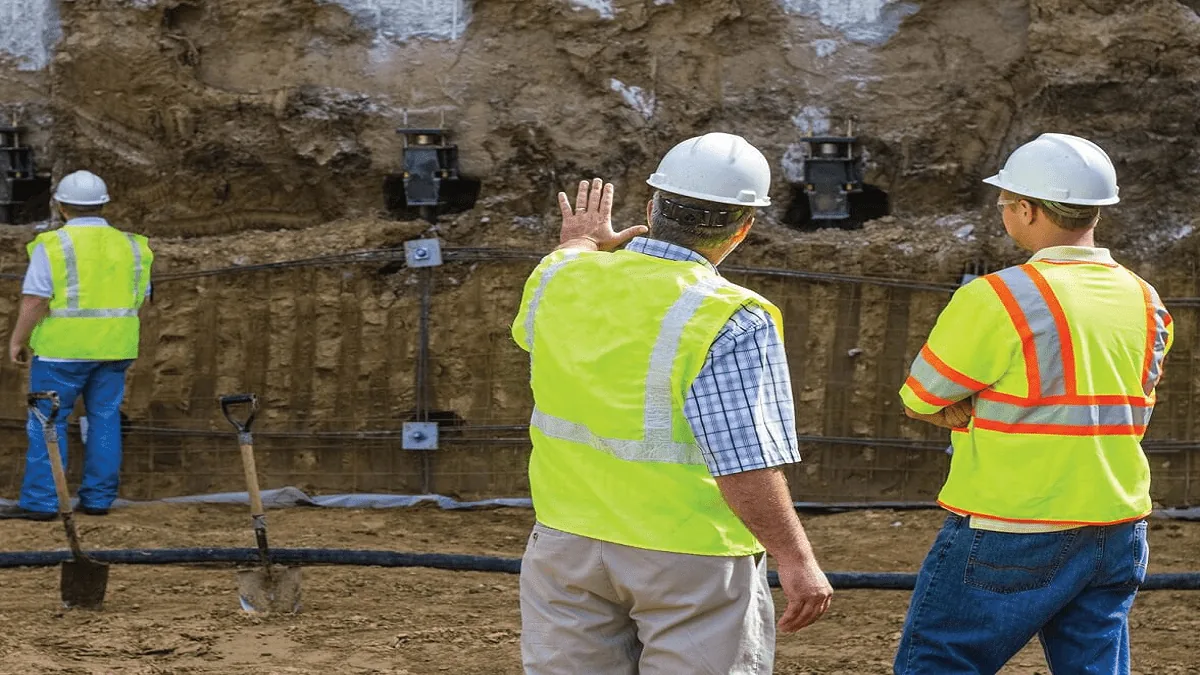
Common foundation repair methods
Pier and beam repair
Damaged beams and piers are replaced or reinforced, extra piers are added where floors sag and shims are adjusted to level the structure. Our pier and beam foundation guide explains the life span of these foundations.
Slab foundation repair
Slabs are lifted and stabilized with polyurethane foam or slab jacking, which fills voids and restores support.
Crack repair
Cracks are sealed and bonded with epoxy or polyurethane injection. Wider structural cracks may also need carbon fiber straps or other reinforcement.
Underpinning
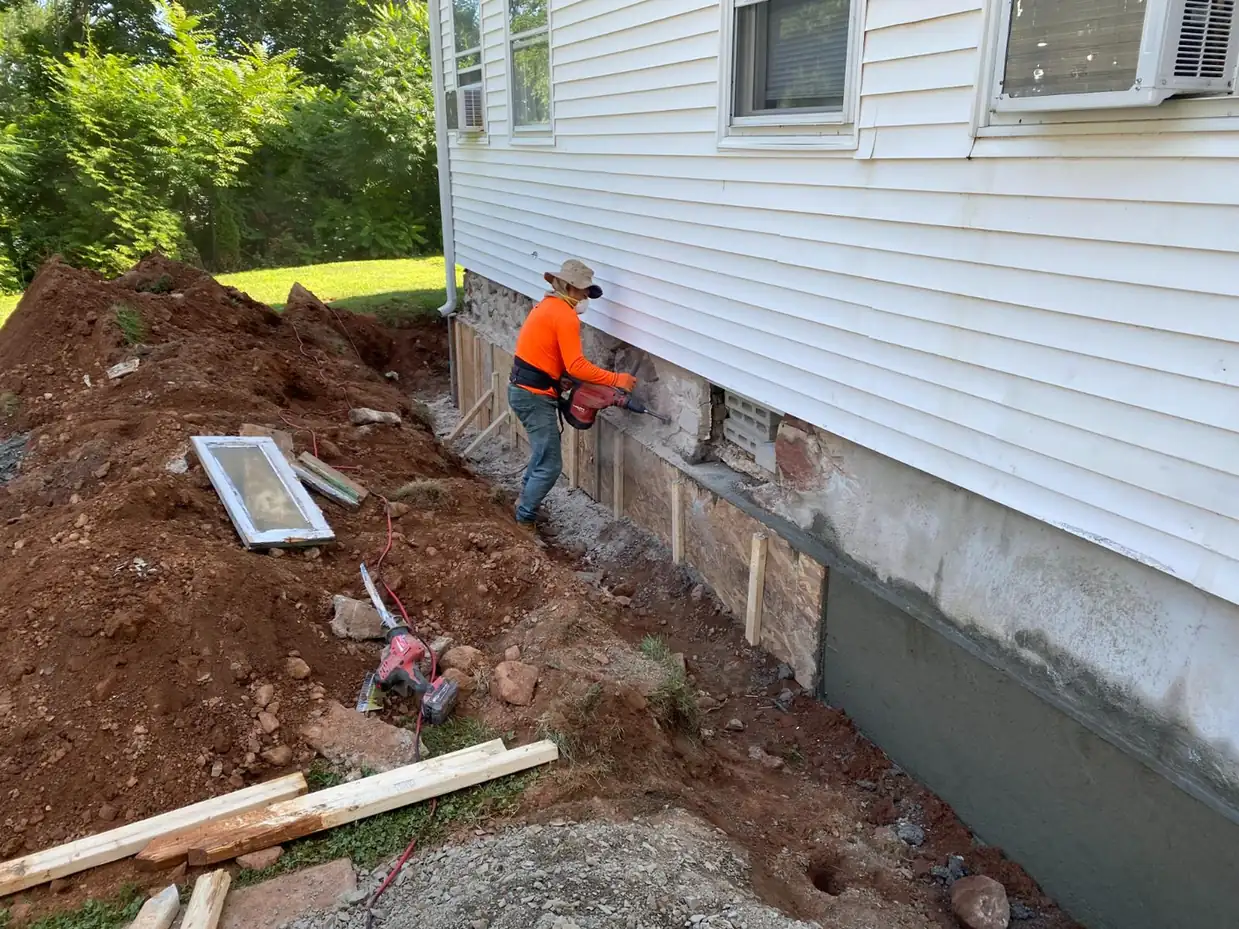
Underpinning extends the foundation to deeper, stable ground using piers. It is the strongest solution for a structure that is settling, and it is usually the largest repair.
Choosing a professional foundation repair company
Select a contractor carefully, because the repair needs to be correct the first time.
- Licensing, bonding and insurance.
- Years of experience with your foundation type.
- A clear written estimate and scope.
- Local references and reviews.
- A willingness to explain the cause and the method in plain words.
Preventive measures for foundation stability
Prevention is better than repair, and most steps are simple.
- Keep gutters clean and downspouts extended away from the house.
- Keep the soil next to the foundation sloping away from the walls.
- Keep soil moisture steady during dry spells.
- Plant large trees at a distance from the structure.
- Fix plumbing leaks promptly.
- Inspect the foundation after heavy rain and in each season.
Benefits of professional foundation repair
Experienced repair crews find the cause, not only the symptoms. They use the right equipment and materials and they stand behind their work. That means a stable structure, protected property value and fewer surprises. Skipping repair or choosing a quick patch usually costs more later.
What a good inspection looks like
Every repair begins with an inspection, and the quality of that inspection decides the quality of the repair. A careful inspector walks the outside of the house first, looking at the grade, the gutters, the soil and the exterior walls. Then they go inside and check floors for slope, walls for cracks and doors and windows for fit. In a crawl space or basement, they look at beams, piers, walls and signs of moisture.
You should come away with a plain explanation of what is happening, why it is happening and what your options are. If you leave with only a price and a sales pitch, ask for more.
Repair is only part of the answer
A foundation repair that ignores the cause is a repair that can fail. If water from a downspout softened the soil, fix the downspout. If a plumbing leak washed out the ground under a slab, fix the leak. If a large tree is drawing moisture from clay beside the house, talk about how to manage it. The best repair plans combine structural work with the changes that stop the problem from returning.
Setting realistic expectations
Foundation repair stabilizes a structure and, in many cases, lifts it back toward level, but it does not erase every sign of past movement. Cracks may be sealed and doors may be adjusted, yet some cosmetic repair, such as drywall and paint, may still be needed afterward. A good contractor tells you this before work starts, so there are no surprises.
Precision Foundation Specialists repairs foundations for homes and businesses across Northwest Arkansas. See our foundation repair in Fayetteville page, or call (479) 225-4899 for a free estimate.
Talk to a specialist about your property
Every property is different. We will look at yours and give you a free estimate.