What foundation construction actually is
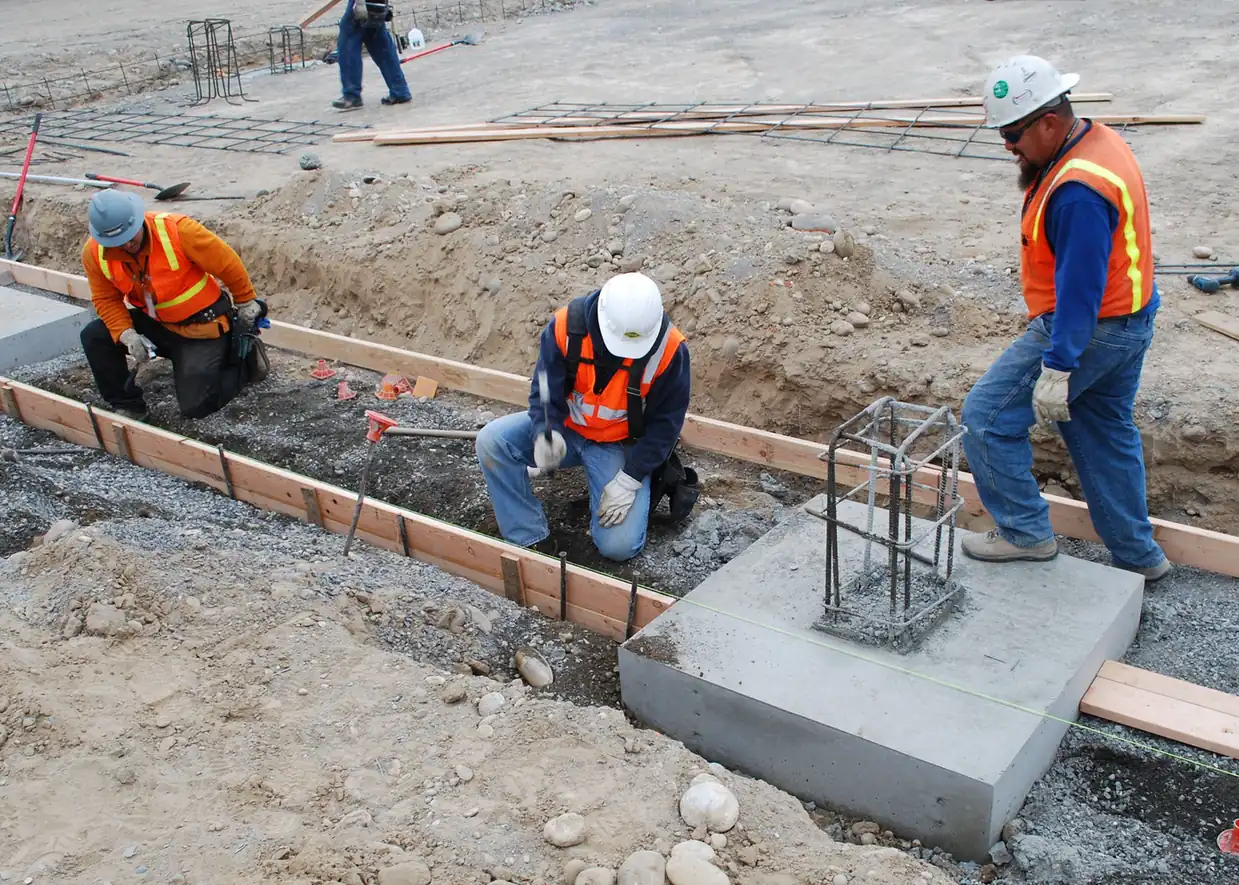
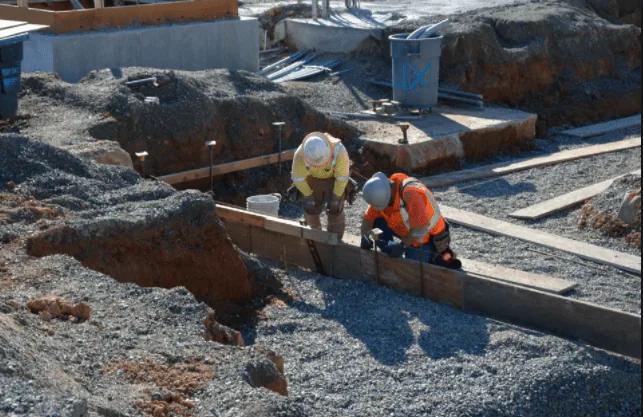
Foundation construction is the work of building the base that carries a structure. It covers excavation, footings, reinforcing steel, forms, concrete placement and curing, along with the drainage and moisture control that keep the base stable. Think of it as the boots your house wears. If the boots are sturdy and fit well, everything above them stands straight.
Common foundation types
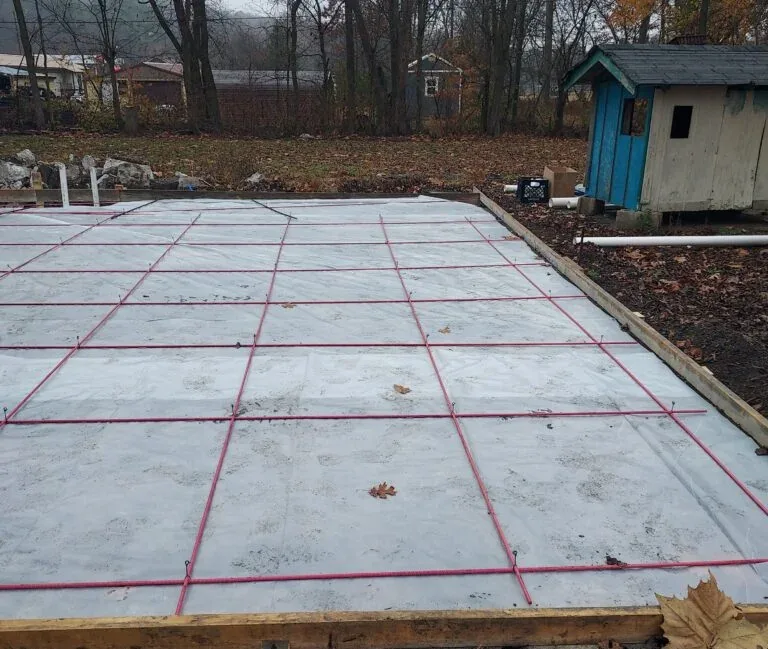
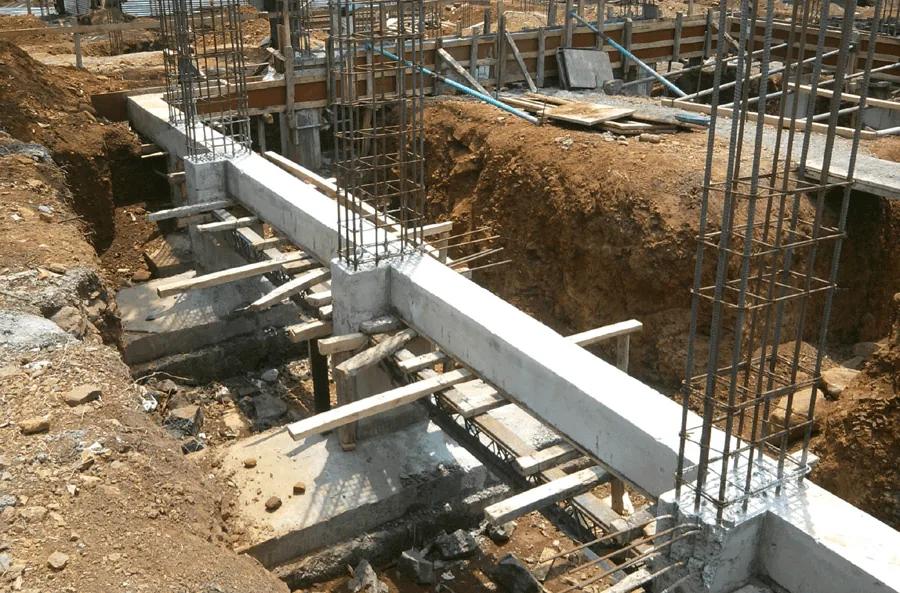
Most buildings in our area use a concrete slab, a crawl space with piers and beams or a basement. Larger and heavier structures may use combined footings, mat foundations or deep piles. We describe each of these on our new foundation construction page, and the right one depends on your soil, your slope and your building.
Residential and commercial work
Residential jobs usually involve smaller crews and lighter loads. Commercial work often calls for deeper supports, larger materials and detailed structural design. A good contractor can explain the difference and tell you honestly whether a project fits their experience.
Signs you may need foundation work
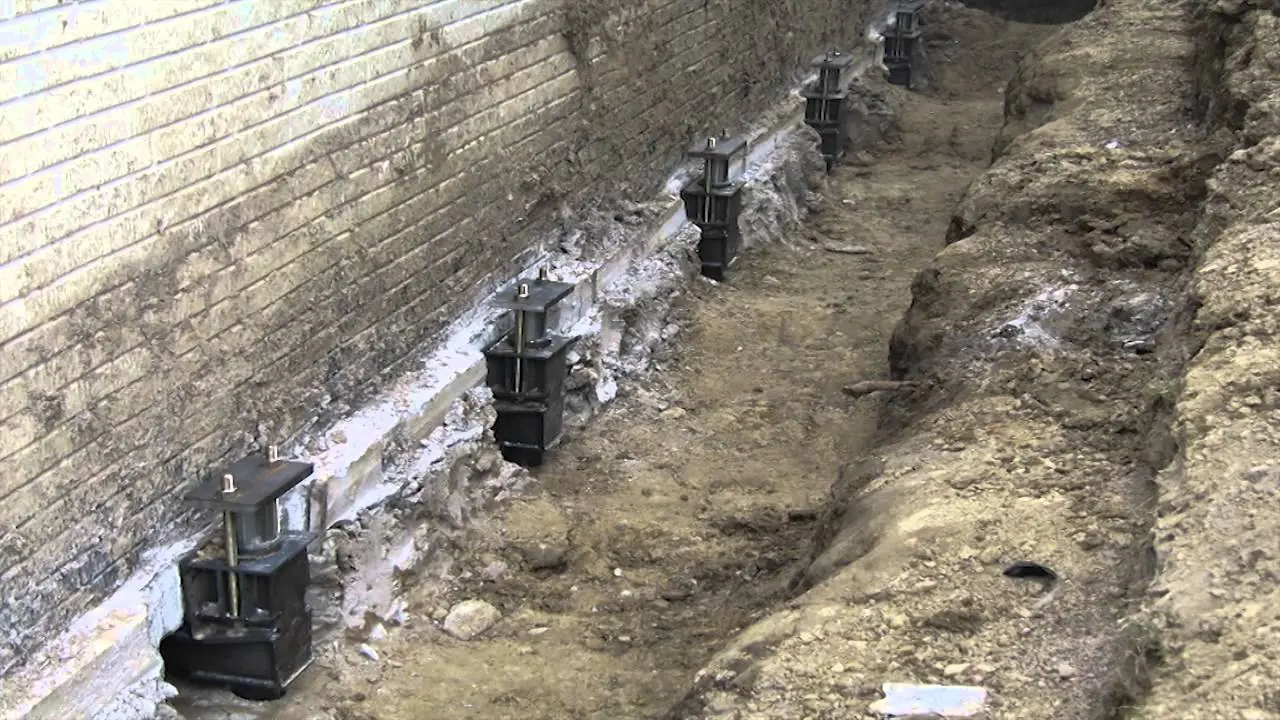
If you are repairing rather than building, these signs suggest the base is moving. Diagonal cracks running from the corners of windows and doors are one of the most common. Doors and windows that stick, uneven floors that roll a marble to one side and gaps between walls and ceilings are others. Our guide to the signs of foundation problems covers each in more detail.
What to look for in a foundation contractor
- Licensing and insurance. A legitimate contractor is licensed, bonded and insured. If they are not, move on.
- Years of experience. More years usually means more foundations built and a better chance they have seen your exact situation.
- A portfolio of finished work. Ask to see photos of similar projects. If they cannot show any, treat that as a warning.
- Local references and reviews. Check Google, Yelp and neighborhood groups. People talk about contractors, good and bad.
Questions to ask before you hire
Who handles permits?
Pulling permits and scheduling inspections is the contractor's job. If a builder asks you to handle the paperwork, ask why.
What is the timeline and what does the price include?
You should receive a written estimate that lists excavation, materials, labor and any extras. Vague numbers lead to surprises later.
What happens after the concrete cures?
Good contractors review the finished work with you and explain how to protect it. Ask how drainage will work around the new foundation and what you should watch for in the first year.
Comparing estimates like a professional
A very low bid is usually low for a reason. It may leave out steel, drainage or soil work, or it may assume shortcuts that show up later as cracks. Ask each contractor for a line by line estimate so you can compare the same scope against the same scope.
Also be wary of pressure. A contractor who rushes you to sign, or who dodges direct questions, is telling you something about how the job will go. Get everything in a written contract before work begins.
Why soil and site evaluation come first
Clay, rock and sand each behave differently under load, and a lot can contain more than one. In Northwest Arkansas, clay that swells in wet weather and rock close to the surface are both common. A reputable contractor looks at drainage, grading and soil conditions before quoting a price, because those findings decide footing depth, steel and drainage.
Materials, reinforcement and waterproofing
Concrete is the main material, but the details around it matter just as much. Ask what reinforcing steel will be used and how it will be spaced. Ask how moisture will be kept out, since drainage and waterproofing cost far less when the foundation is open than they do later. If you want to learn more about protecting the structure from water, see our water proofing page.
Codes, inspections and compliance
Building codes protect your home and your investment. A good contractor knows the local requirements, schedules inspections at the right stages and does not treat the paperwork as an obstacle. That knowledge saves time and avoids costly rework.
Understanding cost and financing
Costs vary widely with size, soil and foundation type. Smaller projects can sit in the low thousands of dollars, and larger or more complex ones can run well into five figures. The only reliable number is a written estimate for your specific property. Read our new foundation cost factors guide to see what moves the price, and ask whether financing is available if you want to spread the cost.
What a typical project looks like
- Site and soil review.
- Layout and excavation.
- Forms, reinforcing steel and drainage.
- Concrete placement, finishing and curing.
- Final check and walk through.
Weather, permit delays and surprises underground, such as old utility lines or buried debris, can slow the schedule. A good contractor tells you early when something changes.
Why local experience matters
A builder who works in your area knows how the soil swells in a wet spring and how a dry summer pulls it back. They know the local codes and the inspectors, and they have seen what works on the hills of Fayetteville, in Bentonville's mix of rock and clay and across the lots of Rogers and Springdale.
After the foundation is finished
Keep gutters clear, make sure the soil slopes away from the walls and watch for early signs of movement. A foundation built correctly needs very little attention, but it still needs water to stay away from it.
Choosing a foundation builder is about confidence as much as price. Do your homework, ask direct questions and hire the company that answers them clearly. If you are ready to talk about your project, call (479) 225-4899 or request a free estimate.
Talk to a specialist about your property
Every property is different. We will look at yours and give you a free estimate.