Why planning matters before you pour
A foundation that stays dry and stable protects the whole building. It keeps the living space healthy, prevents costly structural problems and holds its value. The decisions that make that happen are cheapest to make at the start, while the ground is open and the crew is already on site.
That is why a new foundation project should begin with questions about soil, water and drainage, not only footing sizes.
Why waterproofing matters: understanding the threat
Soil absorbs water and then pushes
Rain and melting snow soak into the ground. Damp soil can swell and push against walls. In clay rich areas such as much of Northwest Arkansas, that swelling can be strong.
Standing water builds pressure
Water pressed against concrete finds tiny openings. Even a hairline crack can let moisture through when the soil outside is saturated.
Wet ground loses strength
Soft soil cannot carry a heavy structure evenly. When the load gets too much for it, the ground shifts unevenly, and that shows up as settlement and cracks.
Cracks turn into structural problems
Small cracks under constant pressure grow. What starts as a leak can become a structural repair in a surprisingly short time.
Protecting the main areas of a new building
Basements
Basements sit deep in the ground and are the most exposed to moisture. Good practice includes special wall coatings that stop damp air, a way to carry water out of the area and drainage at the base of the wall that directs water away from the house.
Crawl spaces
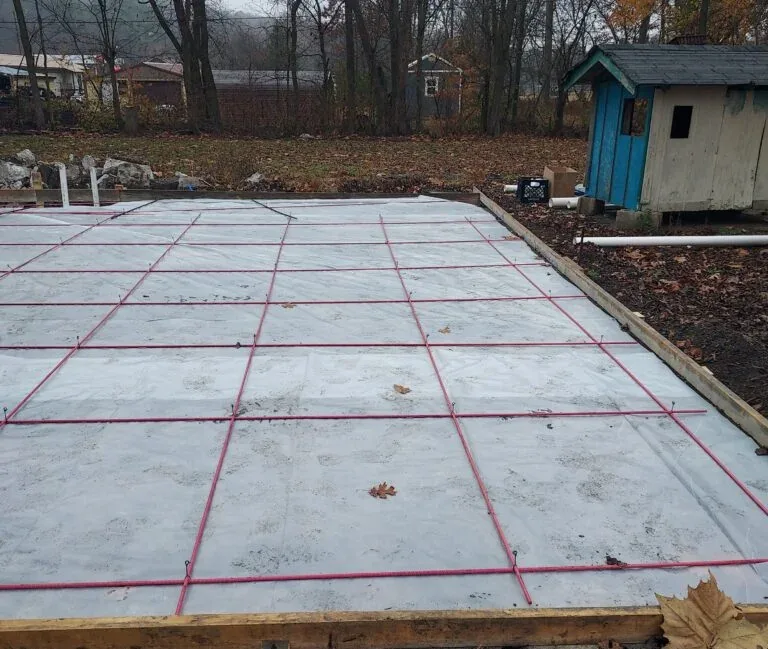
Crawl spaces are small, enclosed areas under the floor that tend to hold humidity. Covering bare soil with heavy plastic sheeting, sealing outside vents that bring in humid summer air and using a dehumidifier to keep the space dry all protect the framing above.
Exterior foundation walls
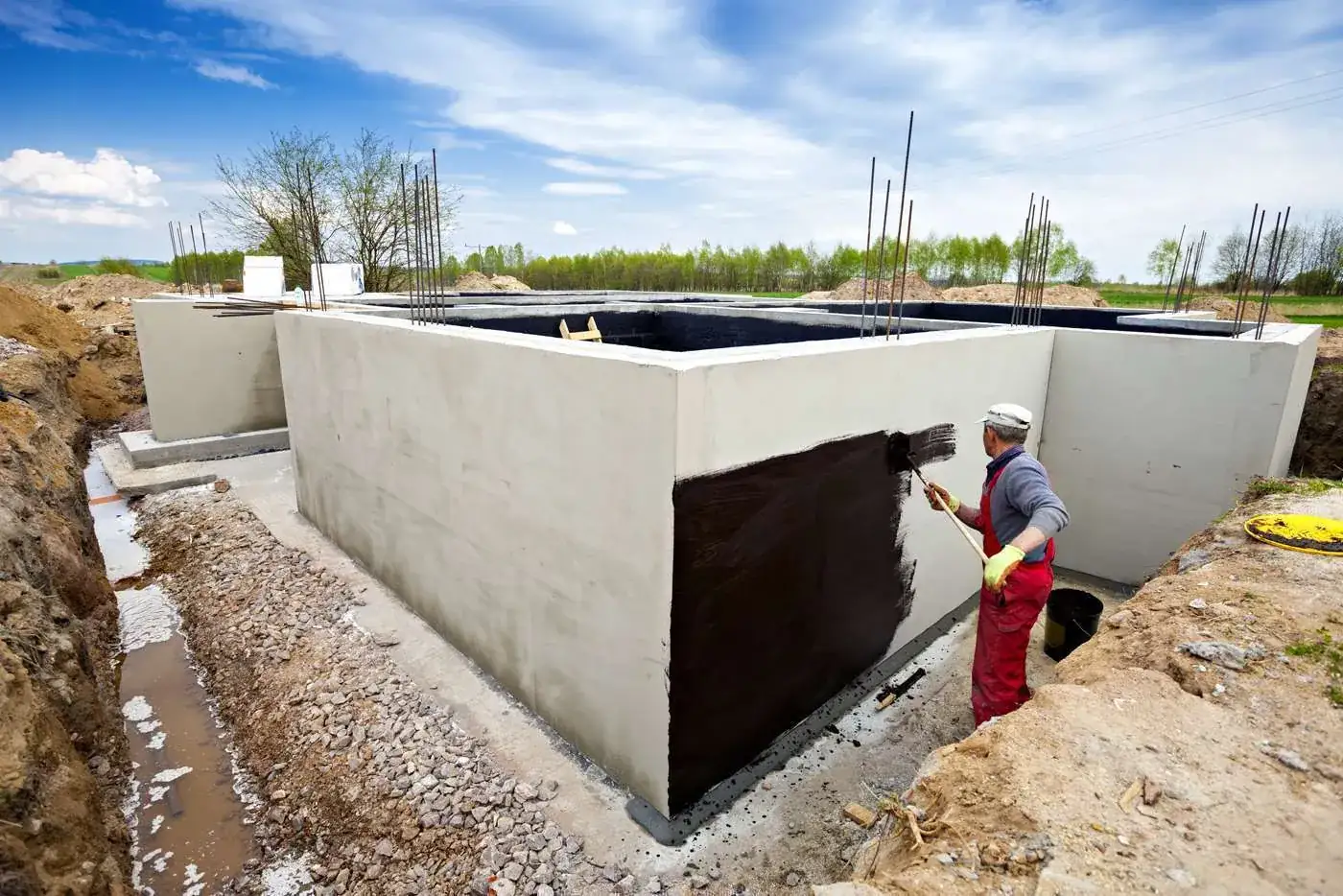
Exterior waterproofing is the strongest barrier, and the best time to apply it is while the wall is exposed. A coating or membrane on the outside of the wall, combined with drainage, keeps water from ever touching the concrete.
Practical steps to take before you start
- Have the soil and drainage on your lot reviewed so the foundation type fits the ground.
- Plan roof water, with gutters and downspouts, as part of the design and not an afterthought.
- Decide on waterproofing and drainage while the excavation is open.
- Confirm permits, codes and inspection steps with your contractor.
- Get a written, itemized estimate and a realistic schedule.
Why to hire a professional
You can build a bookshelf yourself. A foundation is a different matter. It takes the right equipment, trained labor and the licenses required to dig and build safely. Mistakes that stay buried can cost far more to correct later than the job cost to do properly the first time.
Our new foundation construction service covers footings, slabs, walls and the drainage and waterproofing that protect them. For tips on choosing a builder, read right foundation construction.
Common questions about waterproofing a new foundation
What is foundation waterproofing?
It is the work of keeping water from entering the foundation of a building, usually with barriers on the foundation walls plus drainage that moves water away.
How do I know if a foundation needs waterproofing?
Watch for white powder on walls, peeling paint, musty odors and standing water. Any puddles near the foundation call for attention.
What is crawl space encapsulation?
It means sealing the crawl space from the rest of the home with heavy plastic sheeting and a vapor barrier, which stops moisture from moving up into the floor.
Can I waterproof it myself?
Simple interior sealants can be applied by an owner, but true exterior waterproofing needs professionals and heavy equipment.
Final thoughts
Moisture can reach a foundation silently, long before you see a problem. Good building practice, quality materials and proper drainage keep a new foundation dry and stable for decades. Our water proofing page explains the options in more detail.
If you are planning a new structure or a major structural project, call (479) 225-4899 or request a free estimate and we will help you plan it.
Talk to a specialist about your property
Every property is different. We will look at yours and give you a free estimate.